

When choosing a dentist, most people consider convenience, location, insurance coverage, and the availability of appointments. While these factors are important, another consideration deserves just as much attention: how your dentist approaches your health and helps you make decisions about your dental care.
Perhaps you have experienced recurring dental problems and want to understand why they keep happening. Maybe you have concerns about dental materials, jaw discomfort, tooth wear, or the relationship between oral health and your overall well-being. Or perhaps you simply want to feel more involved in decisions about your treatment.
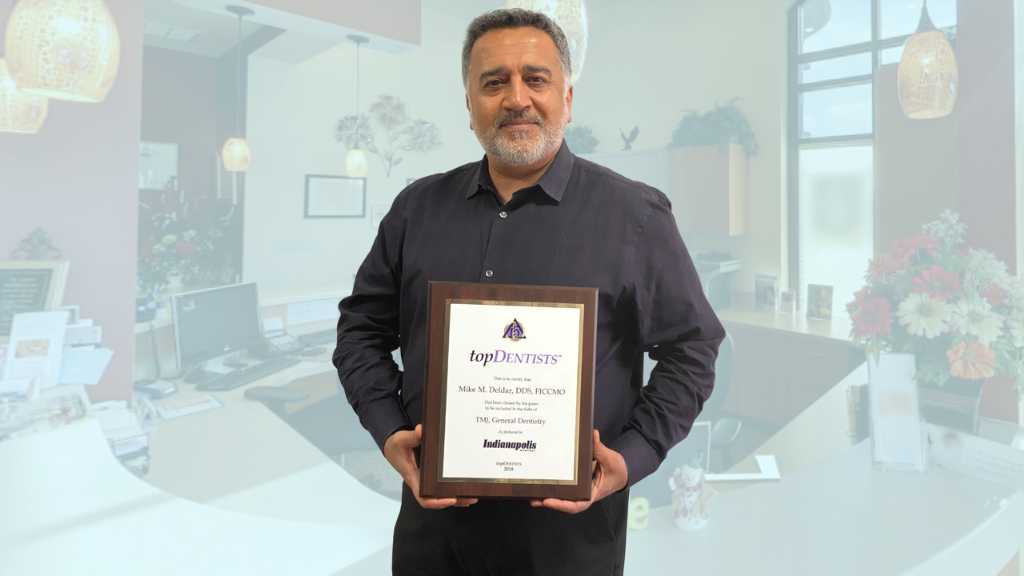
At Deldar & Kay Dental in Noblesville, Indiana, Dr. Mike Deldar and Dr. John Kay approach dentistry with an emphasis on listening, understanding individual circumstances, and considering relevant connections between oral health and overall health.
The practice describes this philosophy as Dentistry Designed Around Your Overall Health.
For patients in Noblesville, Carmel, Fishers, Westfield, Indianapolis, Lapel, and throughout Hamilton County, understanding this approach can help make dental decisions feel less overwhelming.
Here are ten important questions to consider asking before beginning dental treatment.
1. What Does Holistic Dentistry Mean for My Individual Dental Care?
Holistic dentistry is a philosophy that considers oral health within the broader context of a person’s health, function, habits, and well-being.
Dentists who adopt this philosophy hold the same foundational DDS or DMD degrees as other dentists. Holistic dentistry does not represent a separate professional qualification.
More importantly, the philosophy should have practical meaning for your care.
For example, if you repeatedly experience fractured restorations, your dentist may consider not only the damaged restoration but also whether tooth grinding, bite forces, or other factors could be contributing.
If you frequently develop cavities despite brushing regularly, it may be useful to discuss dry mouth, dietary habits, fluoride exposure, medication use, and other relevant risk factors.
Looking at these considerations does not mean that every dental problem is connected to an underlying medical condition. Instead, it means gathering appropriate information before making recommendations.
At Deldar & Kay Dental, the overall-health focused approach encourages thoughtful discussions about what is happening, why it may be happening, and what reasonable treatment options are available.
2. How Does My Medical History Influence My Dental Treatment?
Your medical history can provide important context for dental treatment planning. Information about existing health conditions, medications, allergies, and previous medical procedures may influence recommendations, precautions, or the timing of treatment.
For example, diabetes may affect gum health and healing. Certain medications can contribute to dry mouth, increasing susceptibility to tooth decay. Medications that affect blood clotting may require additional planning before some dental procedures.
Some medications used to manage osteoporosis or other bone conditions may also be relevant when considering invasive dental procedures.
Sharing an accurate medical history helps your dental team make informed decisions and determine whether communication with your physician is appropriate.
It is equally important to update your dental team if your medications or medical conditions change between appointments.
You should never discontinue prescribed medication simply because you are planning dental treatment. Any medication changes should be discussed with the appropriate prescribing healthcare professional.
3. Are There Factors Contributing to My Recurring Dental Problems?
Treating an existing dental problem is important. Understanding factors that may increase the likelihood of future problems can be equally valuable.
Consider a patient who experiences repeated damage to fillings or crowns. Replacing the damaged restoration may address the immediate concern, but evaluating possible contributing factors may provide additional information.
These factors could include:
- Teeth grinding or clenching.
- Uneven distribution of chewing forces.
- Existing tooth damage.
- Dietary habits.
- Dry mouth.
- Inadequate plaque removal.
- Gum inflammation.
- Certain medical conditions.
The same principle applies to recurring cavities and gum problems.
An examination may help identify where preventive changes or additional evaluation could be appropriate. However, not every dental condition has a single identifiable cause, and eliminating one risk factor does not guarantee that a problem will never return.
Understanding these limitations is part of making realistic dental decisions.
4. What Dental Materials Are Available to Me?
Many patients considering a holistic approach to dentistry have questions about the materials used in fillings, crowns, bridges, and other restorations.
These are reasonable questions.
Different dental materials have different physical properties, aesthetic characteristics, costs, and clinical applications.
A material that is suitable for a small restoration may not necessarily be the best choice for a heavily damaged tooth.
Your dentist may consider the amount of remaining tooth structure, the location of the tooth, chewing forces, appearance, durability, relevant allergies, and your individual preferences.
Tooth-colored composite materials and dental ceramics are among the options used in modern restorative dentistry. The suitability of any particular material depends on the clinical situation.
Patients with existing amalgam fillings may also have questions about whether those restorations should be replaced.
The US Food and Drug Administration does not recommend removing intact amalgam fillings solely to prevent disease when they remain in good condition and there is no medical or dental reason for removal. Removing an existing filling can result in the loss of healthy tooth structure and temporary exposure to additional mercury vapor.
A discussion with your dentist should therefore focus on your individual circumstances rather than assuming every existing restoration requires replacement.
5. Could My Bite or Jaw Function Be Affecting My Teeth?
Your teeth are part of a system that includes your jaw joints, chewing muscles, and supporting oral structures.
When you chew, speak, yawn, or swallow, these structures work together.
Changes in how your teeth contact one another or how your jaw functions may be relevant when evaluating certain dental concerns.
Signs that may deserve further investigation include:
- Unexplained tooth wear.
- Repeatedly chipped teeth.
- Jaw fatigue.
- Discomfort when chewing.
- Limited jaw movement.
- Frequent clenching.
- Changes in how your teeth fit together.
However, these symptoms can have multiple causes. Jaw discomfort and headaches, for example, are not necessarily caused by dental conditions.
Some patients may benefit from an evaluation of their temporomandibular joints and chewing muscles. Others may require additional medical assessment.
At Deldar & Kay Dental, questions about bite function and jaw comfort can form part of a broader evaluation when clinically appropriate.
The goal is to understand your concerns before assuming that a particular treatment will resolve them.
6. Should I Discuss My Sleep and Breathing Concerns With My Dentist?
Many people do not associate dental appointments with questions about sleep.
However, certain oral findings and patient-reported symptoms may provide useful information when discussing airway-related concerns.
You may wish to tell your dentist if you experience frequent snoring, morning jaw discomfort, dry mouth upon waking, nighttime teeth grinding, or concerns about nighttime breathing.
These symptoms do not automatically indicate a sleep disorder.
Persistent fatigue, witnessed pauses in breathing during sleep, and waking up gasping for air should prompt medical evaluation.
Deldar & Kay Dental provides airway-focused dentistry and oral appliance options for appropriate patients.
When obstructive sleep apnea is suspected, diagnosis and treatment planning require coordination with qualified medical providers. A dental examination alone cannot establish whether someone has sleep apnea.
If an oral appliance is recommended as part of your care, your dentist can discuss its design, potential benefits, limitations, and the importance of ongoing monitoring.
7. What Are My Treatment Options, Including More Conservative Approaches?
Patients should understand the available options before deciding how to address a dental concern.
Depending on the condition, treatment may involve monitoring, preventive measures, a restoration, or a more extensive procedure.
For example, certain early noncavitated areas of tooth decay may be managed with appropriate preventive measures and monitoring. More advanced decay may require restorative treatment.
A fractured tooth may have several possible treatment options depending on the location, extent, and depth of the fracture.
When evaluating treatment recommendations, useful questions include:
- What is the reason for this recommendation?
- Are there reasonable alternatives?
- What happens if treatment is delayed?
- What are the potential risks and benefits?
- How long might the restoration or treatment remain functional?
- What maintenance will be required?
Conservative dentistry does not mean avoiding necessary treatment. It means preserving healthy tooth structure when reasonably possible while addressing disease, damage, and functional concerns appropriately.
8. How Can I Improve My Oral Health Between Dental Appointments?
A significant part of maintaining oral health happens outside the dental office.
Your daily habits influence plaque accumulation, cavity risk, gum health, and the condition of existing restorations.
General oral health recommendations include brushing twice daily with fluoride toothpaste, cleaning between your teeth regularly, and maintaining appropriate dental examination and hygiene appointments.
The frequency of dental visits should be based on individual needs and risk factors.
Dietary habits also deserve attention. Frequently sipping sugary or acidic beverages can expose teeth to repeated challenges throughout the day.
Drinking water, limiting frequent sugar exposure, and maintaining a balanced diet can support oral health.
Patients experiencing persistent dry mouth may benefit from discussing possible causes and management options with their dentist and healthcare providers.
Preventive recommendations should be realistic. A routine you can consistently maintain is more useful than an elaborate routine that becomes difficult to follow.
9. How Will We Decide Which Dental Treatments Should Come First?
Not every dental concern requires immediate intervention, and not every recommended treatment needs to happen at the same appointment.
A thoughtful treatment plan may distinguish urgent problems from conditions that can reasonably be monitored or addressed later.
For example, an active infection or significant pain may require prompt attention, while an elective cosmetic concern could potentially wait.
Patients with several dental needs may benefit from a phased treatment plan that considers oral health priorities, personal circumstances, finances, scheduling, and long-term goals.
This approach can make dental treatment easier to understand and manage.
It also provides an opportunity to discuss anticipated costs before proceeding.
At Deldar & Kay Dental, patients are encouraged to participate in treatment decisions. Understanding why a procedure is recommended and how it fits into the broader treatment plan can help you make informed choices.
10. What Can I Realistically Expect From My Dental Treatment?
It is understandable to want certainty before investing in dental care.
However, dental treatment outcomes vary according to many factors, including existing oral health, medical conditions, individual anatomy, healing, daily habits, and adherence to follow-up recommendations.
No responsible treatment discussion should depend on guarantees that every patient will experience the same results.
Instead, ask your dentist about realistic objectives, potential limitations, alternative options, and maintenance requirements.
For restorative dentistry, the objective may involve rebuilding damaged tooth structure or improving function.
For gum care, treatment may aim to control inflammation and manage disease progression.
For orthodontic treatment, objectives may involve changes in tooth position or bite relationships.
For airway-related oral appliances, treatment objectives should be established within an appropriate medical and dental care plan.
Understanding what a treatment is intended to accomplish is an important part of informed consent.
Choosing an Overall Health Focused Dental Practice in Noblesville
Finding a dental practice where you feel comfortable asking questions can make an important difference in your experience.
At Deldar & Kay Dental, Dr. Mike Deldar and Dr. John Kay encourage patients to share their concerns, understand their options, and participate in decisions about their care.
Whether you need preventive dentistry, restorative treatment, orthodontics, dental implants, or an evaluation of jaw or airway-related concerns, your individual circumstances should guide the conversation.
You do not need to have a complicated dental condition to appreciate an overall-health focused approach.
Sometimes, the most valuable starting point is a comprehensive discussion about your current oral health and what you would like to maintain or improve.
Frequently Asked Questions
Is holistic dentistry different from conventional dentistry?
Holistic dentistry describes a broader philosophy of care that considers relevant connections between oral health and overall health. It can include many of the same established dental procedures used in other dental practices.
Does holistic dentistry mean avoiding fluoride?
No. Fluoride recommendations should be based on individual cavity risk, available evidence, and patient circumstances. A holistic philosophy does not automatically require avoiding fluoride.
Can I receive regular dental cleanings at a holistic dental practice?
Yes. Preventive examinations, professional dental hygiene, and routine restorative care can all form part of an overall-health focused dental approach.
Should I replace my existing silver fillings?
Not necessarily. Existing restorations should be evaluated according to their condition, clinical needs, and relevant individual circumstances.
Can dental problems affect other aspects of my health?
Oral health can be associated with other aspects of health, but these relationships are complex. Dental treatment should not be presented as a cure for unrelated medical conditions.
Can holistic dentistry help with jaw discomfort?
A dental evaluation may help identify oral or jaw-related factors contributing to discomfort. Appropriate treatment depends on the findings, and some patients may require medical evaluation.
Does Deldar & Kay Dental welcome patients from outside Noblesville?
Yes. The Noblesville practice welcomes patients from surrounding communities, including Carmel, Fishers, Westfield, Indianapolis, Lapel, and Hamilton County.
Schedule Your Dental Consultation in Noblesville
Your dental care should begin with understanding your concerns, your health, and your goals.
If you are looking for a holistic or overall-health focused dental approach in Noblesville, contact Deldar & Kay Dental to discuss your individual dental needs.
Deldar & Kay Dental
Dentistry Designed Around Your Overall Health.
14753 Hazel Dell Crossing, Suite 700
Noblesville, IN 46062
Call: (317) 208-0000
Website: https://deldardental.com/
Individual treatment recommendations and outcomes vary. An examination is necessary to determine appropriate dental care.