
For many people diagnosed with obstructive sleep apnea, continuous positive airway pressure, commonly known as CPAP, becomes an important part of their nighttime routine.
However, some individuals experience difficulties adjusting to their equipment.
Others may wonder whether alternative treatment approaches are available or whether a smaller, removable oral appliance could be appropriate for their circumstances.
Meanwhile, people who experience persistent snoring without a diagnosed sleep disorder may also be interested in understanding their options.
At Deldar & Kay Dental in Noblesville, Indiana, Dr. Mike Deldar and Dr. John Kay provide airway-focused dentistry, including oral appliance options for appropriate patients.
Their overall-health focused approach recognizes that sleep-related breathing concerns require careful evaluation and, when indicated, coordination between medical and dental providers.
Understanding how oral appliances work, who may benefit from them, and what their limitations are can help patients make informed decisions about their care.
Understanding Obstructive Sleep Apnea
Obstructive sleep apnea is a medical condition involving repeated episodes of partial or complete upper airway obstruction during sleep.
These episodes occur when airflow becomes restricted despite the body’s efforts to breathe.
Breathing interruptions may lead to changes in oxygen levels and repeated disruptions in sleep.
Some individuals are unaware that these interruptions are occurring.
A partner or family member may notice loud snoring, pauses in breathing, or gasping sounds during the night.
Possible symptoms include:
- Persistent daytime sleepiness.
- Morning headaches.
- Frequent nighttime awakenings.
- Difficulty concentrating.
- Morning dry mouth.
- Loud or persistent snoring.
- Waking up choking or gasping.
- Witnessed pauses in breathing.
These symptoms do not independently establish a diagnosis.
Appropriate medical evaluation and sleep testing are necessary to determine whether obstructive sleep apnea is present and how it should be managed.
Untreated obstructive sleep apnea may be associated with significant health risks, making accurate diagnosis and ongoing management important.
Is Snoring the Same as Sleep Apnea?
Snoring occurs when airflow causes tissues within the upper airway to vibrate.
It may be influenced by anatomy, sleeping position, nasal congestion, alcohol consumption, and other factors.
Some people snore without having obstructive sleep apnea.
Others experience snoring as one of several symptoms associated with a sleep-related breathing disorder.
This distinction matters because reducing snoring does not necessarily mean that underlying breathing interruptions have been adequately addressed.
An individual may appear to snore less while continuing to experience clinically significant obstructive sleep apnea.
For this reason, persistent snoring should not automatically be treated as a harmless inconvenience.
Medical assessment may be appropriate, particularly when snoring occurs alongside witnessed breathing pauses, daytime sleepiness, or nighttime gasping.
What Is CPAP Therapy?
Continuous positive airway pressure therapy uses a machine to deliver pressurized air through a mask worn during sleep.
The air pressure helps maintain an open airway, reducing obstructive breathing events when treatment is appropriately prescribed and used.
Positive airway pressure therapy is an established treatment for obstructive sleep apnea and is particularly effective at reducing respiratory events in many patients.
However, individual experiences with CPAP vary.
Some patients may experience challenges involving mask fit, air leakage, nasal dryness, equipment maintenance, or discomfort.
Many of these concerns can be addressed through adjustments, different mask designs, humidification, or support from the patient’s medical care team.
Patients should not assume that initial difficulties mean CPAP cannot work for them.
If you experience problems with prescribed treatment, discuss them with your medical provider before discontinuing therapy.
What Is Oral Appliance Therapy?
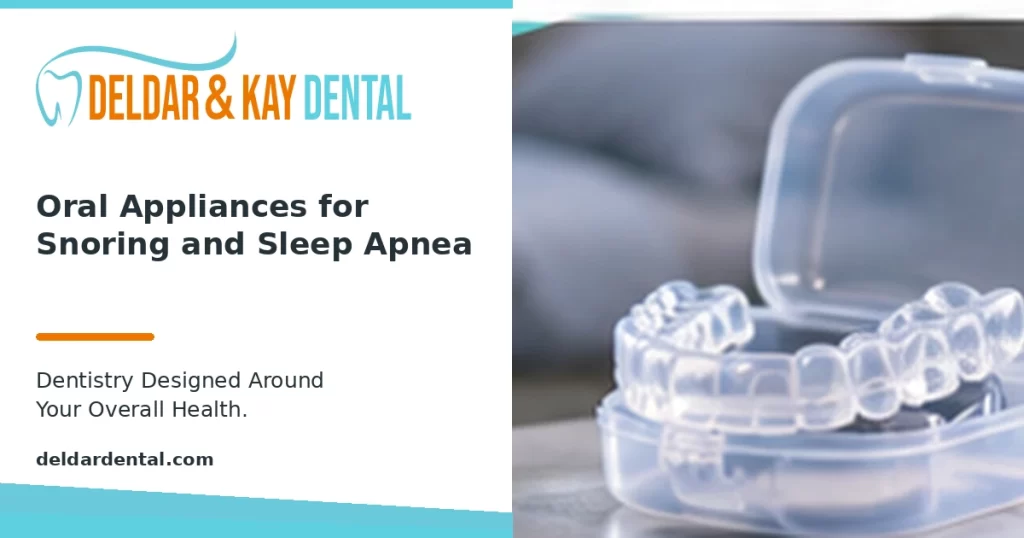
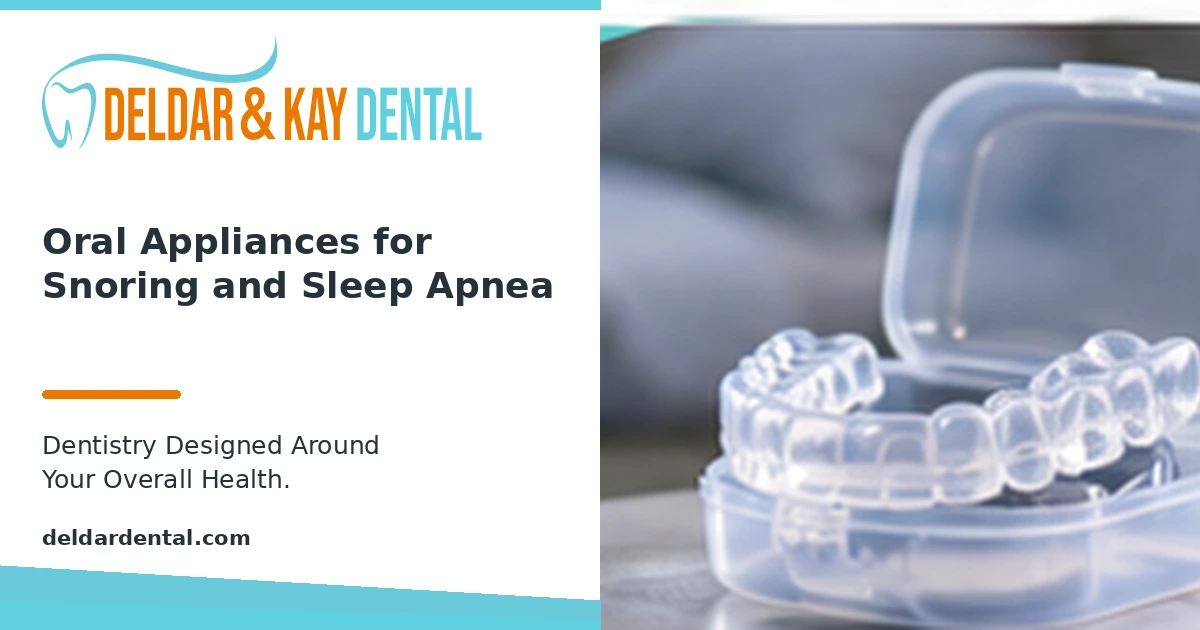
Oral appliance therapy involves wearing a removable dental device during sleep.
One commonly used type is a mandibular advancement appliance.
These appliances are designed to hold the lower jaw in a forward position, which may help maintain airway openness in appropriate individuals.
The appliance is generally fitted to the teeth and adjusted according to a treatment plan.
Unlike CPAP equipment, an oral appliance does not deliver pressurized air.
Instead, it works by changing the position of oral structures during sleep.
The effectiveness of this approach varies according to individual anatomy, the nature and severity of the sleep disorder, appliance design, and other factors.
Oral appliance therapy is not suitable for everyone with obstructive sleep apnea.
Its use should be considered within an appropriate medical and dental care plan.
Who May Be a Candidate for an Oral Appliance?
Clinical guidelines support considering oral appliance therapy for certain adults with obstructive sleep apnea who cannot tolerate CPAP or prefer an alternative treatment.
Oral appliances may also be considered for adults with primary snoring after obstructive sleep apnea has been appropriately excluded.
However, candidacy involves more than personal preference.
Your medical provider may consider the severity of your sleep apnea, symptoms, medical history, and treatment objectives.
Your dentist may evaluate the condition of your teeth, gums, existing restorations, jaw movement, and other factors relevant to appliance use.
Some individuals may have dental conditions that require treatment before an appliance can be considered.
Others may have jaw-related limitations or insufficient dental support for a particular appliance design.
A consultation can help determine whether additional assessment is necessary.
Why Custom-Fitted Appliances Are Different From Over-the-Counter Devices
Patients searching online for snoring solutions may encounter numerous commercially available mouthpieces.
These products vary considerably in design, materials, adjustability, and intended purpose.
A device marketed to reduce snoring is not necessarily appropriate for managing diagnosed obstructive sleep apnea.
Clinical guidelines generally favor custom, adjustable oral appliances over non-custom devices when oral appliance therapy is prescribed for obstructive sleep apnea.
A professionally fitted appliance allows the dental team to evaluate how it interacts with the teeth and jaw.
It also provides opportunities for adjustments and ongoing monitoring.
Over-the-counter devices may not account for existing dental restorations, gum health, jaw conditions, or individual treatment requirements.
Patients should be cautious about purchasing a device as a substitute for appropriate sleep evaluation.
Oral Appliance Therapy Versus CPAP
CPAP and oral appliance therapy use different mechanisms to address airway obstruction.
CPAP delivers positive air pressure through a mask, while mandibular advancement appliances reposition the lower jaw.
CPAP generally produces greater reductions in certain measured respiratory events and oxygen-related abnormalities.
However, treatment decisions also involve individual tolerance, consistent use, medical circumstances, and personal preferences.
An oral appliance may be more convenient for some patients because of its relatively compact size.
Others may find CPAP more comfortable or clinically appropriate.
The objective is not to identify one universally superior treatment.
Instead, it is to determine which approach can appropriately manage the patient’s diagnosed condition.
| Consideration | CPAP | Oral appliance |
|---|---|---|
| Treatment mechanism | Positive airway pressure | Jaw positioning |
| Equipment | Machine, tubing and mask | Removable dental appliance |
| Electricity | Generally required | Generally not required |
| Portability | Depends on equipment | Usually compact |
| Monitoring | Medical follow-up | Medical and dental follow-up |
| Dental considerations | Vary by mask and individual | Teeth, gums, bite and jaw function |
| Suitability | Based on medical assessment | Based on medical and dental assessment |
Neither approach should be started, changed, or discontinued solely on the basis of convenience.
What Happens During an Oral Appliance Consultation?
The dental consultation provides an opportunity to evaluate factors that may influence appliance suitability.
Your dentist may review your medical history, dental history, existing sleep apnea diagnosis, and relevant treatment recommendations.
An oral examination may include evaluation of your teeth, gum health, dental restorations, jaw movement, and other relevant structures.
The dental team may also ask about existing jaw discomfort, previous appliance use, or difficulties with prescribed sleep-related treatment.
If an oral appliance appears appropriate, the process may involve obtaining dental records, impressions, or digital scans.
The specific procedures depend on the appliance design and treatment plan.
Patients should have an opportunity to discuss anticipated costs, adjustment requirements, potential side effects, and follow-up appointments.
At Deldar & Kay Dental, oral appliance discussions form part of the practice’s airway-focused approach to dentistry.
Why Oral Appliance Adjustment Is Important
An oral appliance may require gradual adjustments after it has been fitted.
The amount of jaw advancement that is comfortable and appropriate can vary between individuals.
Moving the jaw farther forward does not automatically guarantee better treatment results.
Excessive advancement may increase discomfort or place additional stress on the teeth and jaw structures.
Adjustments should therefore be guided by the dental team and coordinated with medical treatment objectives.
Patients should follow the instructions provided for appliance use and report persistent discomfort.
The adjustment process may take time, and the final treatment settings should reflect both clinical effectiveness and individual tolerance.
Follow-up medical testing may be recommended to determine whether the appliance is adequately managing obstructive breathing events.
Potential Side Effects of Oral Appliance Therapy
Like other healthcare interventions, oral appliance therapy has potential risks and limitations.
Some individuals experience temporary discomfort while becoming accustomed to an appliance.
Others may notice symptoms that require adjustment or additional evaluation.
Possible side effects include:
- Tooth tenderness.
- Jaw muscle discomfort.
- Increased saliva production.
- Dry mouth.
- Gum or soft tissue irritation.
- Changes in bite relationships.
- Gradual changes in tooth position.
- Discomfort involving the jaw joints.
Not every patient experiences these effects.
However, regular dental follow-up is important because some changes can develop gradually.
Patients should report persistent discomfort, changes in how their teeth fit together, or difficulty wearing the appliance.
An appliance that causes significant symptoms should be evaluated rather than modified at home.
Why Follow-Up Sleep Testing Matters
One of the most important considerations in oral appliance therapy is determining whether the treatment is working as intended.
A reduction in snoring may be encouraging, but it does not establish that obstructive sleep apnea is adequately controlled.
Similarly, feeling more rested does not necessarily confirm that breathing interruptions and oxygen-related abnormalities have resolved.
A medical provider may recommend follow-up sleep testing to evaluate treatment effectiveness.
The results can help determine whether further appliance adjustment, a different treatment approach, or additional medical management is appropriate.
Ongoing evaluation is particularly important if symptoms return or if significant changes occur in the patient’s health.
Successful long-term management requires more than simply receiving an appliance.
Can You Use an Oral Appliance and CPAP Together?
In selected circumstances, medical and dental providers may consider combining treatment approaches.
For example, an oral appliance may be evaluated alongside positive airway pressure therapy when individual treatment challenges warrant additional consideration.
Combination therapy is not necessary or appropriate for every patient.
It should be guided by medical assessment and the patient’s treatment objectives.
Patients should not independently change their CPAP pressure settings or combine devices without professional guidance.
If you are experiencing difficulties with your current treatment, discuss your concerns with your medical provider and dentist.
A coordinated approach may help identify reasonable options.
Caring for Your Oral Appliance
An oral appliance requires regular cleaning and appropriate storage.
Follow the specific instructions provided by your dental team because cleaning recommendations can vary according to appliance materials and design.
General considerations may include rinsing the appliance after use, cleaning it with an approved method, and storing it in an appropriate protective container.
Avoid exposing the appliance to excessive heat unless the manufacturer’s instructions indicate otherwise.
Inspect it regularly for cracks, damage, or changes in fit.
Maintaining healthy teeth and gums is also important.
Brush twice daily, clean between your teeth, and attend dental maintenance appointments as recommended.
If an appliance becomes damaged or uncomfortable, contact your dental provider.
Can Lifestyle Changes Replace Sleep Apnea Treatment?
Certain lifestyle factors may influence sleep-related breathing.
Depending on individual circumstances, medical providers may discuss weight management, sleeping position, alcohol consumption, tobacco use, or management of nasal congestion.
These measures may be valuable components of a broader treatment plan.
However, lifestyle changes should not automatically be considered a replacement for prescribed obstructive sleep apnea treatment.
The effectiveness of any approach should be evaluated appropriately.
Individuals should not discontinue CPAP or oral appliance therapy simply because they have made lifestyle changes or experienced improvements in symptoms.
Medical follow-up remains important.
Frequently Asked Questions
Can an oral appliance replace CPAP?
For some adults with obstructive sleep apnea, an oral appliance may be an appropriate alternative following medical and dental assessment.
Are oral appliances effective for everyone with sleep apnea?
No. Effectiveness varies, and some patients require different treatment approaches.
Can I purchase a snoring mouthpiece without a sleep evaluation?
Commercial products are available, but persistent snoring may indicate an underlying sleep-related breathing disorder. Appropriate medical assessment is advisable before relying on a device.
Is a grinding nightguard the same as an oral appliance for sleep apnea?
No. These appliances have different intended functions and should not be assumed to be interchangeable.
Can an oral appliance change my bite?
Yes. Changes in tooth position or bite relationships are possible, particularly with long-term use. Dental monitoring is important.
Do I need another sleep study after receiving an appliance?
Follow-up sleep testing may be recommended to evaluate treatment effectiveness. Your medical provider can determine the appropriate testing requirements.
Can I stop using CPAP while waiting for my oral appliance?
Do not discontinue prescribed CPAP treatment without discussing your circumstances with your medical provider.
Does Deldar & Kay Dental provide oral appliances?
Yes. Deldar & Kay Dental provides airway-focused dentistry and oral appliance options for appropriate patients, with medical coordination when indicated.
Explore Oral Appliance Options in Noblesville, Indiana
If you have been diagnosed with obstructive sleep apnea and are experiencing difficulties with your current treatment, or if you have concerns about persistent snoring, understanding your options is an important first step.
At Deldar & Kay Dental, Dr. Mike Deldar and Dr. John Kay provide airway-focused dentistry within their overall-health focused approach to dental care.
The practice welcomes patients from Noblesville, Carmel, Fishers, Westfield, Indianapolis, Lapel, and surrounding Hamilton County communities.
A consultation can help determine whether oral appliance therapy may be appropriate as part of your coordinated care.
Deldar & Kay Dental
Dentistry Designed Around Your Overall Health.
Visit https://deldardental.com/ to request a consultation.
Obstructive sleep apnea requires appropriate medical diagnosis and management. Oral appliance suitability, effectiveness, and outcomes vary by individual.